I gained deeper understanding of my strengths, values and working style via the various assessment tools given to me. Based on the 16 personalities test, I am 61% introverted. This suggests that I prefer working in calmer environments and having fewer interactions with others; allowing me to focus deeply on tasks and produce high quality work.
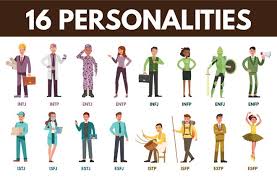
Being 75% observant, I am heavily focused on facts and reality, thereby training me to be rational and logical both academically and non-academically.

With 66% thinking, I tend to prioritize rational thinking over emotions when solving problems. Furthermore, my 88% judging traits show my strong preference for structure and organization, very useful for team management in group projects. Finally, being 64% assertive means, I am generally calm under pressure and able to manage stress well.
My core values include discipline, balance, curiosity and control. Discipline helps me stay focused on my goals, balance reminds me to manage my time and well-being. Curiosity motivates me to continuously learn and enhance my skills and myself in general, and control allows me to do things in moderation (eg. take care of my health by eating snacks in moderation and reasonable break times).
My key strengths also include being detailed oriented, hardworking, teachable and responsible. These qualities enables me to meet deadlines consistently and take ownership of my work, especially in group projects. However, one obstacle I faced was my perfectionism. I would spend excessive time overthinking assignments, which caused lots of unnecessary stress and anxiety. Gradually, I changed my mindset. This helped me to reframe my negative thoughts by focusing on progress over perfection. As a result, I became more productive, less stressed, and more confident in my work.
One proud achievement I clearly recall is during my O level Chinese examinations. After achieving an A2 on my first try, I chose to retake the examination. I believed I could perform better with the experience I had gained during prelims. Through resilience, I attained an A1. This experience reflects the NP values of resilience and responsibility. I pushed myself to improve.
One key skill of mine is team organisation. I can plan tasks, delegate responsibilities and ensure order in the team, which contributes to smoother experience in a team and successful outcomes.





Why am I here?
I chose to pursue the Diploma in Accountancy (ACC) because it aligns strongly with both my personality and long-term goals. As someone who prefers working with facts, numbers and structured information, accounting provides a clear and logical framework that suits my detailed and systematic way of thinking. The nature of accounting work requires accuracy, discipline and consistency, which matches how I approach my studies and responsibilities. Through ACC, I am able to develop practical financial knowledge while strengthening my ability to analyse information objectively.
What matters most to me is that I mentally grow my mind and build a strong foundation in financial literacy. I believe that understanding how financial systems work is an essential lifeskill. Financial knowledge empowers individuals to make informed decisions, act responsibly and plan for the future whilst making calculated investments. This belief motivates me to take my learning seriously and constantly improve my understanding of accounting concepts, both inside and outside the classroom.
In the next five to ten years, I envision myself pursuing the ACCA qualification, followed by a career path that begins as a Public Auditor before transitioning into a Private Auditor role. This progression would allow me to gain a broader exposure. I see this journey to continuously challenge myself while building credibility and competence in the accounting profession.
Ethics plays a crucial role in both my life and my chosen field. In accounting, integrity, honesty and accountability are fundamental, as financial information directly affects stakeholders’ decisions. I believe that ethical behaviour builds trust and reputation, and I aim to uphold these principles as a student and future accounting professional. By grounding my decisions in strong ethical values, I hope to contribute responsibly to my workplace and society.
How?

Job title: Internal audit
Industry: Accounting
The Senior Internal Auditor/Internal Auditor executes internal audit engagements in accordance with audit procedures and applicable frameworks on governance, risk management and control. He/She supports the team in providing advice and business insights to the organisation by identifying opportunities and making recommendations for change. An internal Auditor also documents organisation’s internal controls and business processes and makes recommendations for changes to the organisation’s internal controls and business processes. He should remain updated on professional competence standards. Additionally, the Senior Internal Auditor/Internal Auditor is meticulous and dependable in executing his work. He exercises due professional care in his work.

It is pertinent for an auditor to pay attention to details. This role requires careful examination of financial records and internal controls to ensure accuracy and compliance. Exercising due diligence helps minimise errors and supports the reliability of audit findings, which is fundamental in the accounting profession.
Being organised and structured is equally important, as auditors must manage large volumes of documents and information. The ability to have systematic filing and documentation processes allows for efficient retrieval of information, improves productivity, and ensures audit work is completed within deadlines.

Furthermore, teamwork and interpersonal skills are essential, as audit work is often conducted in teams and involves regular communication with clients, management and other stakeholders. An effective team player is able to collaborate, share information clearly and contribute positively to group discussions and decision-making.
Trustworthiness is a key attribute for auditors, as they handle sensitive and confidential financial information. Not forgetting, maintaining confidentiality and acting with integrity helps build trust with clients and stakeholders, which is crucial for maintaining professional credibility and long-term client relationships.
Lastly, flexibility is increasingly important due to rapid changes in regulatory requirements and advancements in digital technologies. Auditors must be adaptable and willing to learn new systems, standards and tools in order to remain effective and relevant in a constantly evolving business environment.
What? What do I do?
What?
My Accountancy course at Ngee Ann Polytechnic plays an important role in providing me with the necessary knowledge , skills, and practical exposure to attain my career goals as an auditor. The modules offered provided a strong foundation that helps bridges the theory knowledge with real world application at work.

Economics helped enhanced my understanding of economic policies, and how certain conditions affect business decisions. This is vital for analysing business environments and making good decisions.

Additionally, business law enables me to understand contracts, Singapore regulations and laws via statues, important in ensuring compliance and decision making in professional business. To add on, modules like Making of a Business and Kickstarting a Business develop my entrepreneurial mindset and critical thinking as well as strengthened my creativity, problem-solving, teamwork and planning, all of which would be relevant in my future work experience in corporate and auditing positions.

The finance and accounting module is also crucial to my career goals as it helps build my confidence on summarising financial information, analysis, and budgeting. These skills are important for my roles in audit, where accuracy and attention to detail are crucial. In year three, the internship experience would allow me to apply classroom knowledge into real work environment, gain more industry exposure, and develop professional skills such as communication and adaptability.
Furthermore, choosing an option related to audit will allow me to deepen my technical knowledge and better prepare for future qualifications. I also look forward to short term overseas internships as they will help me gain hands-on experience on-the-job and build my resume. Overall, the combination of academic modules and chances for practical experiences at Ngee Ann Polytechnic provides a strong pathway towards achieving my desired career path.

Besides core technical knowledge, enhancing personal soft skills like communication, teamwork, leadership, adaptability are important for my future success. I’m currently involved in BA lead envoys, which hones my accountability, teamwork and communication skills. I would be able to work with seniors, senior lecturers and people experienced in events and team management.
Furthermore, I can make use of these opportunities to practice upholding NP values like respect, integrity, and care while working with people of diverse personalities.
Outside of school curriculum, I have taken the initiative to prepare for my chosen degree programme by exploring online courses on Coursera related to business and finance, which helped me develop my independent learning skills. Furthermore, I have also gained exposure via part-time work where I learned interpersonal skills and professionalism in a real work environment.
Additionally, participating in enrichment activities like volunteering can further enhance my problem-solving skills and confidence. These help me better prepare for future career challenges.
One programme I could continue pursuing is the Bachelor of Accountancy offered by local universities like NTU or SMU where a GPA of 3.7 to 3.9 is needed for entry. These degrees take 3-4 years, focus on taxation, auditing and admit students based on aptitude, academic performance, interviews and leadership and CCA involvement. Cohort sizes are very competitive too and hence the degree’s strict standards.
Another pathway is to obtain certification (Association of Chartered Certified Accountants (ACCA) qualifications. ACCA is a lifelong certification that requires multiple examinations. Qualification is globally recognized and enhances career credibility and reputation.
To be industry ready, I plan on keeping up with accounting tools through Coursera. My future career interest involves lots of soft skills like ethical decision making, responsibility, leadership and many more. Hence, tertiary institutions consider a student’s character, and motivation for higher education.
 Roadmap to Success 2026: Natalie's CPP IA2
Leave a comment